News, Opinion, and Lifestyle for Business Leaders, Marketers, and IT
Zachary Amos

Latest Posts
Reader Favorites
How to Secure AI Tools in Your Business

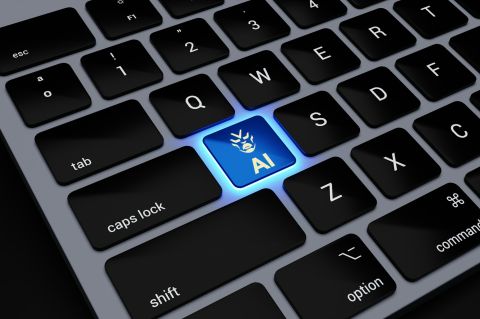
Artificial intelligence tools have transformed how organizations approach productivity, marketing, software development and data analysis. These platforms can improve efficiency and drive innovation, but they also introduce security risks that traditional cybersecurity strategies may not fully address. AI applications often process sensitive information and integrate with enterprise systems, creating new attack surfaces. The lack of proper oversight can expose businesses to data leaks, unauthorized access, compliance violations and cyberthreats.

How Do Remote Workers Impact Business Insurance Considerations?
Remote and hybrid work have permanently changed how organizations operate, replacing traditional office-based models with more flexible arrangements. Employees now work from home, coworking spaces and even different countries, creating new insurance risks that extend beyond a central office.
As work becomes more distributed, business leaders must rethink how they protect their people, equipment and operations. Business insurance policies should evolve alongside modern workforces to address emerging risks and help prevent costly coverage gaps.

How AI Helps Sales Teams Understand Prospects in the Sales Funnel
AI tools can address many of the challenges sales teams face in prospect research, from prioritizing stronger leads and personalizing consumer outreach. Automatic data gathering saves time, allowing human representatives to focus on making high-value sales. As sales cycles become more complex and buyers expect increasingly personalized experiences, modern sales teams can use AI to better understand and act on prospects in the sales funnel.

What Is AI Washing?
Business professionals are familiar with greenwashing and social washing as ways corporations manipulate customers — whether intentionally or not — with misleading information. Since the advent of widespread artificial intelligence (AI), AI washing has become a trend. Uncover what this entails and how entities can avoid it to maintain customer loyalty.

How to Use Customer Feedback to Shape Your Branding Strategy
In today’s hypercompetitive and client-centric landscape, businesses must do more than assume what their customers want — they must listen. Customer feedback gives helpful insights that can inform branding, guide messaging and strengthen client relationships.
1. Set Clear Objectives for Feedback Collection
Customer reviews are most effective when they serve a specific purpose. Without defined goals, data collection can become scattered and difficult to apply. Businesses should consider the following to focus efforts effectively:

Recognize 10 Early Warning Signs of IT Hardware Failure
In today's business world, the health of IT hardware plays a critical role in daily operations. Even the most advanced systems experience wear and tear over time. Recognizing early signs of hardware failure helps IT professionals act before minor issues become major disasters. Here are 10 warning signs to watch for, plus strategies to respond effectively.
1. Unusual Noises From Hardware Components
IT hardware is designed to operate quietly. Unusual sounds like clicking, grinding or high-pitched whirring often signal trouble. Hard drives, in particular, are prone to making clicking noises when their read/write heads malfunction.

How to Secure Digital Payments in Your Business
Businesses frequently handle sensitive customer information when collecting it for payments through credit card details and personal data. Ensuring customer info remains out of the hands of cybercriminals is crucial to a company’s reputation and how much people trust it.
It's crucial to secure payments to maintain customer trust and prevent damage to the brand’s reputation. While most people understand a company isn’t necessarily responsible for a cybercriminal attacking its databases, they will want to know that the business did everything in its power to prevent it and have a plan for what to do should the worst occur.

5 Tips for Building a Personal Brand on Social Media
Building a personal brand on social media has never been more important for business success than now. Some even refer to it as a digital handshake, in which industry professionals, company owners, influencers and other creatives can share their authentic selves and highlight what sets them apart from others.
Social media platforms enable professionals to reach their target audience, resonate with new audiences and engage directly with users. It’s an opportunity to craft the perfect narrative and display authority and authenticity, allowing them to foster deeper connections through a memorable identity.

Physical Security Principles to Apply to Cybersecurity
Integrating physical security principles into cybersecurity strategies can significantly enhance an organization's defense mechanisms. Just as businesses protect physical assets with layered barriers, controlled access and continuous monitoring, they must take similar steps to protect digital infrastructure.
Below are key physical security principles and their corresponding applications in cybersecurity, along with actionable steps to help IT professionals implement these best practices.

10 Essential Cable Management Tips for IT Professionals
Messy, unsightly cables are the bane of any IT tech’s existence, inspiring a desire to organize them for efficiency. They can also become safety hazards in the workplace and may cause unnecessary downtime when accidentally unplugged. Without proper management, troubleshooting can become a nightmare for industries that thrive on efficiency and organization.
Here are 10 essential management tips for IT professionals to improve their companies’ cable networks.

Should Your Small Business Outsource Its Cybersecurity?
Cybersecurity is a top concern for many small businesses, especially since internet-based operations are central to many of them. As cyberattacks grow more frequent and severe, some decision-makers weigh whether to outsource their IT security needs. That approach has both positive and potentially negative aspects to weigh.
Pro: Additional Cybersecurity Expertise
Many IT teams working for small businesses struggle to safeguard their employers from emerging threats. That issue can arise for various reasons, including the fact that theymay have fewer overall resources, resulting in cybersecurity professionals becoming overworked and potentially distracted.

How to Leverage Technology to Strengthen Customer Relationships
In today’s business landscape, customer relationships are impossible to overlook. Any company eager to compete and succeed must engage its customers and build loyalty. Of course, this feat isn’t always straightforward, forcing businesses to strategize and employ numerous tools to strengthen these associations.
Luckily, organizations can leverage various technologies to establish and maintain relationships with consumers. Some provide essential data insights to understand their customer base better, while others emphasize ongoing communications. Regardless, utilizing multiple technical approaches delivers positive results.

How Small Businesses Can Build More Resilient Supply Chains
Disruption is the only consistent aspect of supply chains. They will continue happening whether or not they make headlines. Every unexpected delay can have extensive downstream effects on small businesses, impacting reputation and revenue. Building resiliency is crucial since disruptors will always exist within extended supply networks.